Apostille Meaning: What It Is, When You Need One and How to Get It
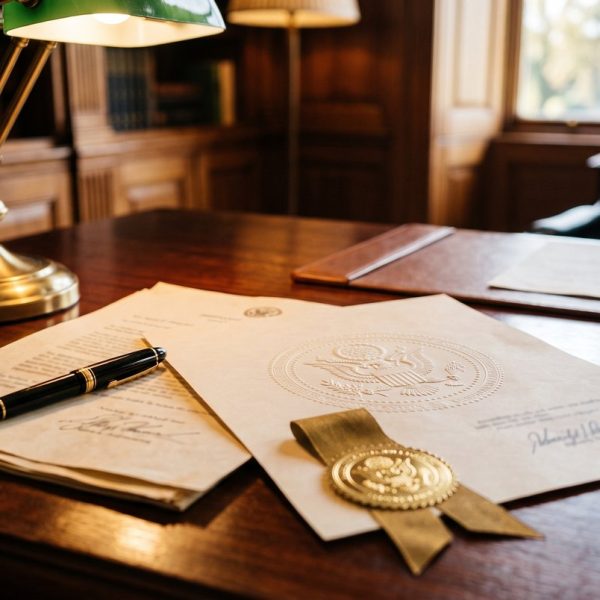
Anyone who has tried to use an American birth certificate abroad, or a foreign diploma in the United States, has probably run into the same puzzling word. The apostille meaning is simple once someone explains it: an apostille is an official certificate, attached to a document, that proves the document is genuine so authorities in another country will accept it. It does not translate the document, and it does not say anything about its content. It simply confirms that the signature, seal or stamp on it is real.
Where the apostille comes from
Before 1961, using a public document abroad meant a slow chain of authentications through consulates and foreign ministries, a process called legalization that could take months. The Hague Apostille Convention replaced that chain with a single certificate issued in the document's country of origin. Today more than 120 countries participate, and the HCCH apostille section maintains the full list along with each country's issuing authorities. If both countries belong to the convention, one apostille is all you need. If one of them does not, the old consular legalization route still applies.
Apostille meaning in practice: what it actually certifies
An apostille is a standardized form, often a stapled page or a stamp, containing ten numbered fields: who signed the underlying document, in what capacity, which authority issued the apostille, when, and under what reference number. That is all. It verifies the origin of the document, not its accuracy. A university transcript with an apostille is confirmed as genuinely issued by that university; nobody at any ministry has checked your grades. This distinction matters because foreign authorities usually require both authenticity and comprehension, which is where translation enters the picture.
Apostille vs notary: two different jobs
People often assume a notary and an apostille are interchangeable, and the confusion is understandable because they frequently appear together. A notary public verifies identity and witnesses signatures at the local level. An apostille is issued by a higher authority, usually the Secretary of State in the US or the foreign ministry elsewhere, and certifies that the notary's own commission and signature are valid. In other words, the notary authenticates you, and the apostille authenticates the notary. For many documents, notarization is the first step and the apostille is the second. Developing well-rounded student skills gives children the confidence to take on new challenges.
Which documents typically need one
The most common candidates are birth, marriage and death certificates, court judgments, powers of attorney, diplomas and transcripts, corporate registration papers, and criminal record checks. Typical situations include getting married abroad, applying for a work visa or dual citizenship, enrolling in a foreign university, buying property overseas, or opening a foreign branch of a business. Public documents are apostilled by the state or federal office that holds jurisdiction over them, which is why a birth certificate from Ohio cannot be apostilled in California.
An apostille is a narrow instrument that only works between signatory states, which surprises people preparing documents for the Gulf. Everywhere outside that framework, a longer legalisation chain applies and each step has its own translation requirement. This explanation of document attestation maps that chain out for commercial documents.
The translation question
An apostille certifies a document in its original language, and most receiving authorities will also demand a translation, done to a standard their courts recognize. Requirements differ sharply between legal systems, and understanding why is easier with some background on how civil law and common law systems treat official documents differently. Civil law countries, which include most of Europe and Latin America, often insist on sworn translators appointed by their courts, while common law countries generally accept a certified translation with a signed statement of accuracy. A notarized translation adds a notary's confirmation of the translator's identity on top. Always ask the receiving institution which standard it wants before paying for anything.
How to get an apostille, step by step
Start by confirming the destination country is a convention member. Then obtain a clean, recent copy of the document, since many offices reject certificates older than a few months. If the document is not already a public record, have it notarized. Submit it to the competent authority, by mail or in person, with the modest fee, which in most US states runs between five and twenty dollars per document. Processing takes anywhere from a couple of days to several weeks depending on the office, and courier services can compress the timeline for urgent cases. Once the apostille is attached, arrange the translation of both the document and the apostille itself, because foreign clerks want to read the certificate too.
Mistakes that cost people weeks
The classic errors are ordering the apostille from the wrong state, sending a photocopy where a certified copy is required, forgetting that the destination country left the convention or never joined, and translating the document before the apostille exists, which means paying twice. A few minutes of checking requirements with the embassy or consulate of the destination country prevents nearly all of them. Bureaucracy rewards the prepared, and an apostille, once you understand what it is, is one of the more predictable pieces of paperwork international life will ask of you.